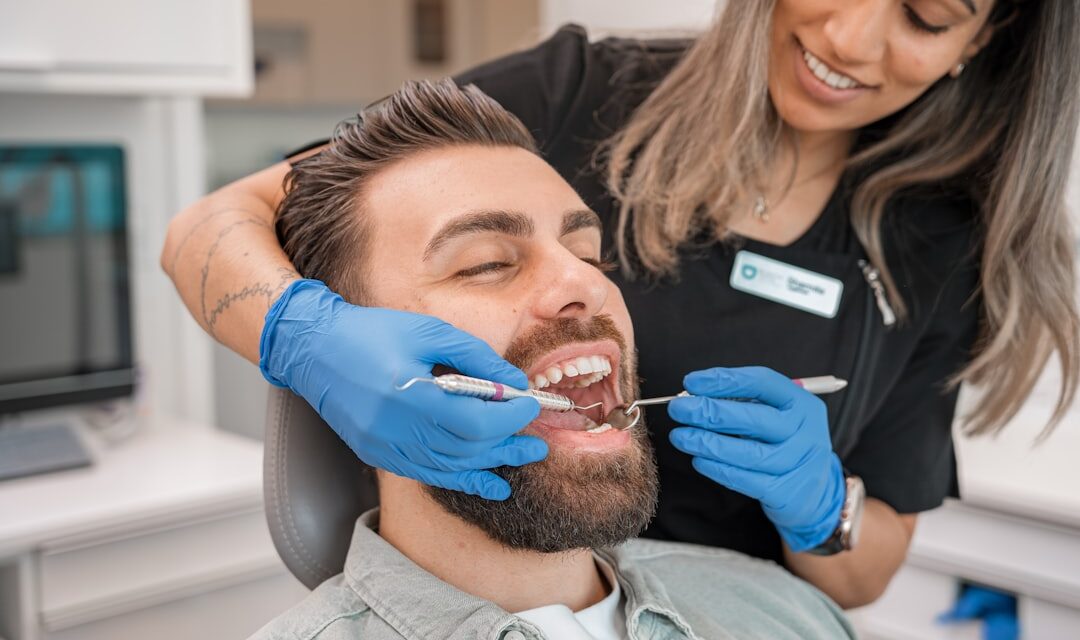
Professional dental cleanings do much more than polish your smile. They remove plaque and tartar that regular brushing cannot fully reach, help identify gum problems early, and give your dentist or hygienist a clearer picture of your overall oral health. While these appointments are routine, a little preparation can make them far more productive. If you want to leave the chair with cleaner teeth, better guidance, and a stronger plan for daily care, a few simple habits can make a noticeable difference.
1. Keep up your home care before the appointment
One of the most effective ways to improve a dental cleaning is to treat the days leading up to it like part of the appointment itself. Brushing twice a day, flossing carefully, and using any mouthwash recommended by your dentist can reduce surface buildup and inflammation. When your gums are less irritated, the cleaning is often more comfortable, and your hygienist can work more efficiently around the gumline.
This does not mean trying to “deep clean” aggressively the night before. Overbrushing or snapping floss into sensitive gums can cause soreness or bleeding that makes the visit less pleasant. Instead, focus on steady, gentle oral hygiene throughout the week. Consistency helps your dental team see what your mouth looks like under normal, healthy conditions rather than after a rushed cleanup effort.
If you wear retainers, aligners, or a night guard, clean those thoroughly as well. Appliances can hold bacteria and plaque, and your dental team may want to check whether they are affecting your oral health. Bringing them to the appointment can also help spark a useful conversation about fit, hygiene, and maintenance.
2. Arrive ready to talk about changes in your health
A more effective dental cleaning starts with better information. Many people do not realize how closely oral health is linked to the rest of the body. Changes in medication, pregnancy, diabetes management, stress levels, diet, dry mouth, or even a new fitness supplement can influence the condition of your teeth and gums. Letting your provider know about these updates can help them tailor the cleaning and any recommendations that follow.
It is also worth mentioning symptoms that seem minor. Bleeding when flossing, jaw tension, tooth sensitivity, bad breath, or a spot that feels rough with your tongue may reveal early issues that are easiest to address now. Professional cleanings are not only about removing buildup; they are also an opportunity to catch problems before they become more painful or expensive.
Helpful details to share
Before your appointment, make a quick mental note or write down anything new, such as medications, recent dental pain, gum tenderness, clenching or grinding, changes in brushing habits, and areas where food frequently gets stuck. These details can help your hygienist focus on the areas that need the most attention and give more specific advice.
3. Time your meal and your schedule wisely
Many patients rush into a cleaning straight from work, school, or errands without thinking about timing. A better approach is to eat a light meal one to two hours beforehand and brush gently before you leave, if possible. Arriving hungry can make you impatient during the appointment, while arriving right after sugary snacks or strongly flavored foods can leave residue or discomfort in the mouth.
Scheduling matters too. If you know you are anxious, avoid stacking your appointment between stressful commitments. Give yourself enough time to arrive calm rather than breathless. Tension often shows up in the jaw, tongue, and facial muscles, which can make it harder to keep your mouth open comfortably. A cleaner, calmer visit usually allows your provider to be more thorough.
Hydration can also help. A dry mouth makes soft tissues more sensitive and can contribute to bad breath and bacterial growth. Drinking water before your visit supports saliva flow, which plays a natural role in protecting teeth and gums.
4. Ask for personalized cleaning tips
One of the biggest missed opportunities during dental cleanings is staying quiet when you have questions. Your hygienist sees patterns in your mouth that can reveal exactly where your daily routine may be falling short. Instead of leaving with general advice you have heard before, ask for personalized guidance. For example, you might ask whether you should angle your toothbrush differently, floss more carefully around a crown, or use interdental brushes in tight spaces.
This can make your next cleaning dramatically more effective because you will spend the months between visits addressing your actual trouble spots. Small adjustments at home often reduce tartar buildup, bleeding, and plaque retention in ways that generic advice cannot.
Questions worth asking
Ask which areas you are missing most often, whether your brushing pressure is too hard, what type of floss or brush head may work better for your mouth, and whether sensitivity suggests enamel wear or gum recession. If your provider recommends products, ask how and when to use them. Knowing the reason behind each suggestion makes it easier to follow through.
5. Follow through after the cleaning
The appointment does not end when you stand up from the chair. A dental cleaning is most effective when you use the post-visit window to build better habits. Your teeth often feel smoother after plaque and tartar are removed, making it easier to notice how clean surfaces should feel. This is the perfect time to become more aware of areas where buildup returns quickly and to maintain that just-cleaned feeling for as long as possible.
If fluoride treatment, desensitizing toothpaste, or a periodontal maintenance schedule is recommended, take it seriously. These recommendations are meant to protect the results of the cleaning and address your specific risk factors. Delaying follow-up care can allow the same issues to come back before your next visit.
Make the next appointment part of your routine
Before you leave the office, schedule your next cleaning and any additional care that was suggested. Once appointments are on the calendar, it becomes easier to stay consistent. Regular preventive care usually leads to shorter, more comfortable cleanings and fewer surprises over time.
The most effective dental cleaning visits are not about doing something dramatic right before you sit in the chair. They are built on good daily habits, honest communication, smart timing, useful questions, and follow-through afterward. When you treat each visit as a partnership rather than a quick task to check off, professional cleanings become a powerful tool for protecting not only your smile, but your long-term health and confidence as well.